Career Trends
The Education Job Market Crisis of 2025: Where the Opportunities Really Are
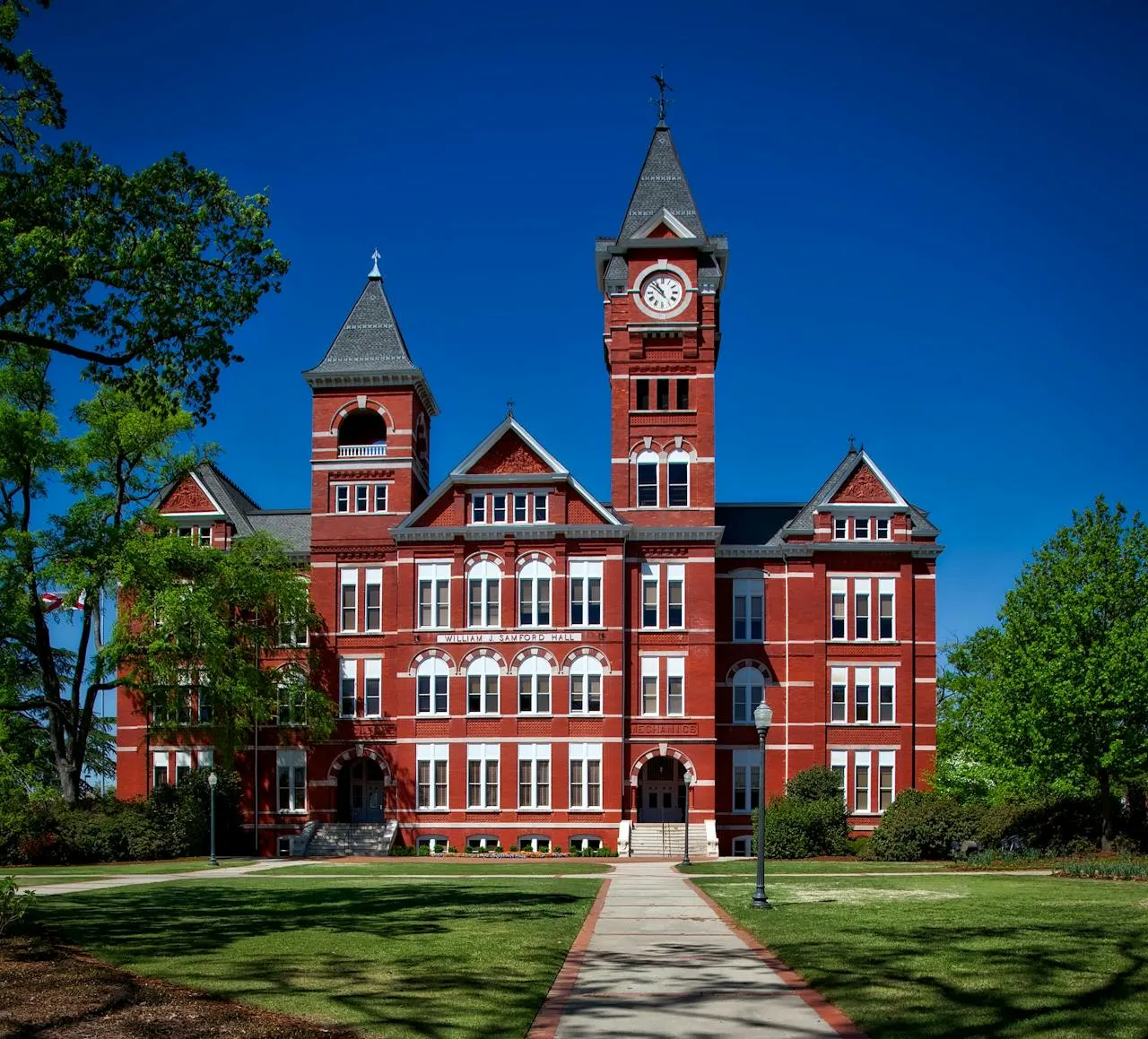
The education sector faces its most severe staffing crisis in decades—but for job seekers, this represents unprecedented opportunity
The numbers paint a stark picture: over 55,000 teacher vacancies nationwide, 270,000 positions filled by underqualified educators, and support staff shortages so severe that students are going without legally mandated services. According to recent data from We Are Teachers, about 1 in 8 teaching positions nationally are either unfilled or filled by teachers not fully certified for their assignments.
But within this crisis lies opportunity. For those considering a career in education, the current landscape offers faster pathways to employment, higher starting bonuses, and accelerated career progression that would have been unthinkable just five years ago. Let's explore where the greatest opportunities lie and how you can position yourself for success in this transformed job market.
The Current State of Education Employment: By the Numbers
National Teacher Shortage Overview
The teacher shortage has reached critical mass in 2025. According to the Learning Policy Institute, key statistics include:
- 55,000+ vacant teaching positions nationwide
- 270,000 positions filled by underqualified teachers
- 44% of public schools reporting teaching vacancies
- 163,000 teachers not fully qualified for their current assignments
The situation varies dramatically by state. Florida leads the nation with over 5,000 vacancies, while Nevada faces the dire situation of having just 4.3 teachers for every 100 students—with more than 1 in 10 positions vacant.
The Support Staff Crisis Nobody's Talking About
While teacher shortages dominate headlines, the support staff crisis may be even more severe. Recent Freedom of Information Act requests revealed shocking numbers in major districts:
- 1,400+ vacant paraprofessional positions in NYC alone
- 536 additional therapists needed (occupational, physical, and speech)
- 76% of special education students not receiving all mandated services
The national student-to-counselor ratio stands at 482:1—nearly double the recommended 250:1 ratio. This means students are going without critical mental health support at a time when they need it most.
The Top 5 Highest-Demand Education Careers in 2025
1. Special Education Teachers and Support Staff
The Opportunity: With 45 states reporting shortages in special education, this field offers the fastest path to employment and highest incentives.
What's Being Offered:
- Signing bonuses ranging from $5,000 to $15,000
- Student loan forgiveness up to $17,500 (federal) plus state programs
- Alternative certification pathways for career changers
- Higher starting salaries than general education
Real Numbers: In NYC's District 75 alone, one school cluster is missing 74 paraprofessionals, 29 speech therapists, and 24 occupational therapists. These aren't just statistics—they represent immediate job openings.
Getting Started: Check our comprehensive guide to special education teacher careers and explore current salary data by state.
2. Paraprofessionals and Instructional Aides
The Opportunity: Research shows teachers value paraprofessional support so highly they'd trade an 18% salary increase for a full-time aide. This demonstrates both the critical need and job security in this field.
Current Vacancies:
- 11.45% of positions nationwide need filling (23,750 openings)
- Lower barrier to entry than teaching positions
- Pathway to teaching certification while working
Career Path: Many districts now offer "grow your own" programs, paying for paraprofessionals to earn teaching credentials while working. Learn more about instructional aide responsibilities and career progression paths.
3. School Counselors and Mental Health Professionals
The Opportunity: With only 18% of Americans willing to encourage young people to become teachers (according to NORC research), the need for counselors to support stressed educators and struggling students has never been higher.
Market Reality:
- Current ratio: 482 students per counselor (should be 250:1)
- Average salary: $60,000-$75,000
- Master's degree required but accelerated programs available
Why Now: Post-pandemic mental health needs have created unprecedented demand. Districts are offering loan forgiveness, flexible schedules, and remote work options. Explore our school counselor career guide.
4. Educational Technology Coordinators
The Opportunity: Employment for instructional technology roles is growing 7% annually—faster than the overall education sector. The pandemic permanently transformed how we think about educational technology.
What Makes This Hot:
- Average salary: $65,000-$85,000
- 19,200 annual openings projected through 2032
- Can leverage existing tech skills from other industries
- Remote and hybrid work options common
Skills in Demand:
- Google Workspace/Microsoft 365 administration
- Learning Management System expertise
- Basic troubleshooting and training abilities
Read how teachers are transitioning to technology coordinator roles and check the full role requirements.
5. Speech-Language Pathologists and Therapists
The Opportunity: The shortage is so severe that NYC schools report needing 536 additional therapists just to meet legal requirements.
Market Advantages:
- Master's degree commands premium salary ($70,000-$95,000)
- Can work across multiple schools (job variety)
- Private practice opportunities for extra income
- Student loan forgiveness programs available
Fast Track Options: Several universities now offer accelerated master's programs specifically designed for career changers. View detailed requirements for speech pathologists and occupational therapists.
Geographic Hotspots: Where to Find the Most Opportunities
States with Critical Shortages (Most Opportunities)
- Florida: 5,000+ vacancies, among lowest teacher pay nationally
- Nevada: 10%+ positions vacant, urgent hiring
- Arizona: 14% of positions filled by uncertified teachers
- California: 10,000+ unfilled positions, 32,000 under-certified
- Illinois: 3,558 unfilled positions affecting 870,000 students
Subject Areas with Highest Demand
According to state reporting data:
- Special Education: 45 states reporting shortages
- Science: 41 states reporting shortages
- Mathematics: 40 states reporting shortages
- Foreign Languages: Critical shortage nationwide
- ESL/Bilingual Education: Growing demand with demographic shifts
Check our interactive district finder to explore opportunities in your area.
What Schools Are Offering to Attract Talent
Financial Incentives
The competition for qualified educators has led to unprecedented incentive packages:
- Signing Bonuses: $2,000-$15,000 depending on subject and location
- Relocation Assistance: Up to $5,000 in high-need areas
- Student Loan Forgiveness: Federal programs plus state additions
- Housing Assistance: Some districts offering teacher housing or stipends
- Retention Bonuses: Annual bonuses for staying 3-5 years
Alternative Pathways to Certification
Traditional four-year education degrees are no longer the only path:
- Alternative Certification Programs: 1-2 years while teaching
- Teach for America: 5-week training then classroom placement
- District "Grow Your Own" Programs: Paid training for locals
- Emergency Certification: Immediate placement with bachelor's degree
- Career-Technical Agreements: Industry professionals teaching their expertise
Visit our education requirements guide for detailed certification pathways.
Strategic Career Planning: Maximizing Your Opportunities
For Career Changers
If you're transitioning from another field:
- Identify Transferable Skills: Management, training, subject expertise
- Choose High-Need Areas: Special education, STEM, or support roles
- Research Alternative Certification: Every state offers different programs
- Consider Support Roles First: Paraprofessional to teacher pipeline
- Leverage Your Network: Many positions filled through referrals
For New Graduates
Recent college graduates should:
- Target High-Need Districts: Better packages, faster advancement
- Consider Rural or Urban: Suburban districts most competitive
- Get Dual Certification: Special ed + subject area doubles opportunities
- Start Substitute Teaching: Foot in door, explore different schools
- Join Professional Organizations: Networking crucial for best positions
For Current Educators
Teachers looking to advance should explore:
- Instructional coach positions (teacher leadership)
- Administrative roles (career advancement)
- Specialist positions (subject expertise)
- Technology coordination (growing field)
- District-level positions (curriculum, assessment)
The Reality Check: Understanding the Challenges
Why People Are Leaving
According to research from EPI, less than one-fifth of teachers leaving are retiring. The main reasons include:
- Low pay (average $68,000 vs. other college-educated professionals)
- Lack of resources and support
- Stressful work environment and workload
- Limited professional autonomy
- Insufficient preparation time
What's Being Done
Districts and states are responding with:
- Increased starting salaries and compression adjustments
- Reduced certification requirements
- Mentorship programs for new teachers
- Mental health support and wellness programs
- Reduced testing and paperwork requirements
Looking Ahead: The Next 5 Years
Positive Trends Emerging
Despite challenges, several positive trends are developing:
- Technology Integration: Making teaching more efficient
- Community Support: Growing recognition of educator value
- Policy Changes: States reducing barriers to entry
- Salary Improvements: Competition driving wages up
- Work-Life Balance: More districts offering flexibility
Emerging Roles to Watch
New positions being created include:
- Social-Emotional Learning Coordinators
- Digital Citizenship Instructors
- Trauma-Informed Practice Specialists
- Family Engagement Coordinators
- Culturally Responsive Education Coaches
Browse our complete roles directory for detailed information on all positions.
Taking Action: Your Next Steps
Immediate Actions
- Assess Your Qualifications: What can you offer schools?
- Research Your State: Check specific shortage areas and incentives
- Connect with Districts: Attend job fairs, contact HR directly
- Explore Certification: Research fastest path for your situation
- Network Actively: Join education groups on social media
Resources for Job Seekers
- Review salary data by state and role
- Use our career match quiz to find your best fit
- Read our interview tips for education positions
- Access resume templates designed for education
- Understand education terminology and acronyms
Financial Planning
Before making the leap:
- Calculate total compensation (salary + benefits + incentives)
- Research cost of living in target areas
- Understand pension/retirement systems
- Factor in student loan forgiveness potential
- Consider summer earning opportunities
The Bottom Line: Crisis Creates Opportunity
The education sector's staffing crisis is real and severe—but for job seekers, it represents a unique moment of opportunity. Schools are removing barriers, increasing compensation, and offering incentives that make education careers more accessible and attractive than ever before.
Whether you're a recent graduate, career changer, or current educator looking to advance, the demand for qualified education professionals has never been higher. The students need you, the schools want you, and the incentives are there to support you.
The question isn't whether there are opportunities in education—it's which opportunity is right for you.
Ready to explore education careers? Start with our comprehensive roles directory or take our career match quiz to find positions that align with your skills and interests. For the latest education career insights, visit our blog home or check current job outlook data.